

Coordinating major residential repairs can feel overwhelming, especially when several systems fail or need attention at the same time. Many homeowners end up reacting to problems one by one, which often leads to higher costs, repeated disruptions, and frustration. A more strategic approach can save time, protect your budget, and reduce stress. When repairs are handled reactively, homeowners often feel like they are constantly putting out fires rather than making meaningful progress toward a stable, well-maintained home.
This guide is designed to help you take control of large-scale home repairs by thinking holistically. Instead of treating each issue as an isolated problem, you’ll learn how to assess your home as a connected system, prioritize work intelligently, communicate clearly with professionals, and sequence projects to avoid unnecessary rework. Whether you’re dealing with aging infrastructure, deferred maintenance, or unexpected damage, planning ahead makes a meaningful difference in both outcomes and peace of mind.
Homeownership is often unpredictable, but the way you respond to repairs doesn’t have to be. When homeowners rush decisions under pressure, they are more likely to accept higher costs, overlook long-term consequences, or approve temporary fixes that don’t last. Stressful situations can also lead to poor communication with contractors or missed opportunities to bundle repairs efficiently. By slowing down and approaching repairs strategically, you gain control over both the process and the outcome.
By the end of this article, you’ll have a clear framework for organizing repairs, setting realistic timelines, and keeping your household functioning smoothly throughout the process. More importantly, you’ll understand how proactive coordination can turn a stressful situation into a manageable, well-executed plan. This mindset shift—from reactive to strategic—is one of the most valuable tools a homeowner can develop, helping you protect your investment while maintaining comfort, safety, and long-term value.
Start With a Whole-Home Repair Assessment

Before calling contractors or requesting quotes, the most important step is understanding what your home truly needs. A whole-home assessment helps you distinguish between cosmetic issues, maintenance tasks, and urgent repairs that affect safety or structural integrity.
Begin with a walkthrough of your property, inside and out. Take notes, photos, and videos so you can reference them later. Look for signs of water intrusion, unusual smells, flickering lights, uneven temperatures, and visible deterioration. Even small clues can point to larger issues that are developing out of sight.
Key areas to evaluate include:
- Ceilings and walls for stains, cracks, or bubbling paint
- Attic and crawl spaces for moisture or insulation problems
- Electrical panels, outlets, and switches for heat or corrosion
- Roof surfaces and flashing for missing materials or sagging
It’s common for problems to overlap. For example, electrical repairs may reveal moisture damage caused by an exterior issue, while local roof repair might be necessary before interior systems can be safely addressed. Ignoring these relationships often leads to repeated work and additional costs.
If you’re unsure what you’re seeing, consider hiring a professional inspector. Their experience helps uncover hidden problems and provides documentation that can guide future conversations with contractors. A thorough assessment sets the foundation for every decision that follows and helps prevent costly surprises once repairs are underway.
Build a Realistic Repair Timeline and Budget
Once you understand the scope of needed work, the next step is building a timeline and budget that reflect reality, not best-case scenarios. Home repairs almost always take longer and cost more than expected, so planning with flexibility is essential.
Start by categorizing repairs into three groups:
- Immediate and safety-related
- Necessary but not urgent
- Optional or cosmetic
This prioritization helps you decide what must be done first and what can wait without causing further damage. From there, outline a rough sequence of work. Some projects can happen simultaneously, while others must be completed in a specific order to avoid undoing previous work.
When budgeting, be sure to:
- Get multiple estimates for major projects
- Include permit and inspection fees
- Set aside a contingency fund of 10–20%
- Account for temporary living adjustments if needed
It’s also wise to build time buffers between phases. Delays can happen due to weather, material availability, or unexpected discoveries once work begins. A realistic plan gives you room to adapt without panic and helps maintain positive relationships with contractors, who appreciate homeowners that understand the realities of construction timelines.
Coordinate Heating System Repairs Strategically
Heating-related repairs require careful planning, especially in colder climates where downtime can affect comfort and safety. These systems often interact with electrical, ventilation, and structural components, making coordination essential—especially when working with a local heating repair service familiar with regional climate demands.
Start by identifying performance issues early, such as inconsistent temperatures, unusual noises, or rising energy bills. Addressing these signs before peak seasons provides more scheduling options and reduces the likelihood of emergency calls during extreme weather.
When planning this phase, consider:
-
Whether repairs can be grouped into a single visit
-
How long the system will be unavailable
-
If temporary solutions are needed for comfort
Combining boiler repair with a local heating repair service allows professionals to evaluate the system as a whole rather than focusing on one isolated issue. This approach improves efficiency and reduces the chance of future breakdowns.
Planning ahead also allows homeowners to coordinate heating work with other projects, such as insulation upgrades or electrical improvements, creating a more comprehensive and lasting solution that improves energy efficiency and overall comfort.
Plan Cooling System Work Without Rework
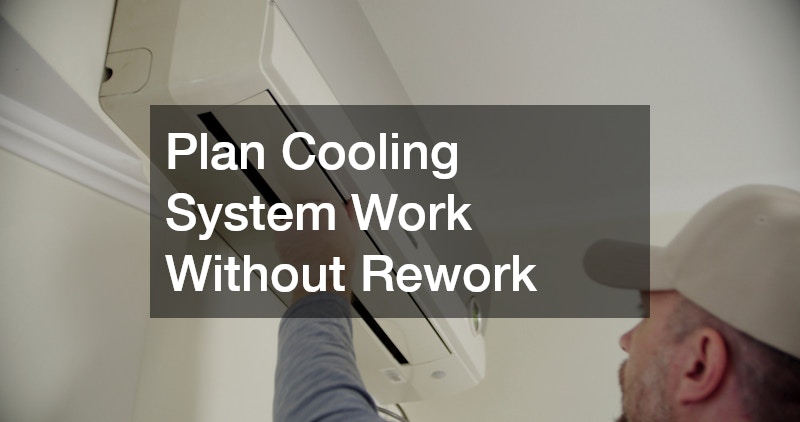
Cooling system issues often become urgent during warmer months, but rushing repairs can result in missed opportunities for efficiency improvements. Thoughtful planning prevents unnecessary rework and ensures lasting comfort.
Before scheduling work, document comfort problems throughout the home. Note which rooms struggle to cool, how humid it feels, and whether the system cycles frequently. These observations help professionals identify underlying causes rather than treating surface symptoms.
Effective coordination includes:
- Reviewing insulation and airflow conditions first
- Scheduling related electrical work in advance
- Avoiding equipment upgrades until the home is ready
Sequencing AC repairs before AC installation services helps ensure that existing issues don’t undermine new equipment. This approach not only improves performance but also extends the lifespan of the system.
A well-planned cooling strategy saves energy, reduces long-term costs, and minimizes disruption with AC installation services or repair. It also allows homeowners to explore upgrades like smart thermostats or zoning systems at the right time.
Handle Plumbing and Water Supply Repairs Together
Water-related repairs can disrupt daily life more than most projects, making coordination especially important. Plumbing and supply issues often stem from interconnected causes that should be addressed together, meaning a piecemeal approach can lead to repeated disruptions and unnecessary costs. Taking a comprehensive view ensures that problems are resolved efficiently and thoroughly.
Watch for early warning signs such as slow drains, fluctuating pressure, or unusual pipe noises. These symptoms often indicate broader system issues that shouldn’t be ignored, and addressing them proactively can prevent major damage down the line.
When planning this phase:
- Group interior and exterior water repairs
- Coordinate work requiring excavation
- Prepare the household for temporary shutoffs
Aligning drain cleaning services with well pump repair allows technicians to evaluate water movement throughout the system. This comprehensive approach reduces guesswork, prevents repeated service calls, and often uncovers underlying issues that might otherwise go unnoticed. Clear communication and preparation help minimize inconvenience and ensure the repairs resolve the root cause rather than offering temporary relief. Coordinated water system repairs also reduce the risk of leaks, water damage, and future emergencies, protecting both your home and your peace of mind.
Schedule Waste and System Repairs With Minimal Disruption
Waste-related repairs require careful scheduling because they directly affect sanitation and household routines. Addressing these issues quickly and strategically reduces health risks and discomfort, while also preventing secondary problems like mold, water damage, or pest infestations.
Early signs such as odors, slow drainage, or soggy ground should never be ignored. Prompt action can prevent more extensive damage and costly cleanup, and it ensures that daily life is disrupted as little as possible.
To minimize disruption:
- Schedule repairs during low-use periods
- Inform household members in advance
- Coordinate inspections carefully
Pairing septic repair with evaluations of nearby systems, including local HVAC repair, can reduce the number of visits and ensure that the surrounding infrastructure remains intact. Thoughtful coordination also helps restore normal household function more quickly and efficiently. Planning ahead allows homeowners to avoid emergency situations that can force rushed decisions, higher costs, and longer downtime, ultimately providing a safer and more comfortable living environment.
Communicate Effectively With Multiple Contractors

Clear communication is one of the most critical aspects of coordinating major repairs. When multiple professionals are involved, small misunderstandings can quickly become major setbacks that delay progress or increase costs. Establishing communication expectations early creates a shared understanding and reduces unnecessary friction throughout the project.
Create a centralized system to track:
- Contractor contact details
- Project timelines and scopes
- Permits and inspection dates
Share relevant updates with everyone involved and confirm expectations before work begins. Asking questions early prevents confusion later, especially when project scopes overlap or depend on one another. Written summaries of conversations can also help ensure everyone is aligned.
Designating a single point of contact—either yourself or a project manager—helps streamline communication and reduces the risk of conflicting instructions. Strong communication keeps projects moving smoothly, prevents costly errors, and builds trust with professionals who value organized and informed homeowners.
Prepare Your Home and Family for Repair Phases
Major repairs can disrupt routines and create safety concerns if not planned carefully. Preparing your home and household reduces stress and improves outcomes. Taking time to plan ahead helps prevent last-minute scrambling and ensures that everyone understands what to expect during each phase of the project.
Helpful preparation steps include:
- Clearing work zones
- Protecting furniture and valuables
- Establishing safe areas for children and pets
Noise, dust, and restricted access are common during repairs. Setting expectations ahead of time helps everyone adapt more easily. Planning meals, work schedules, and temporary adjustments reduces frustration and keeps daily life manageable during construction. Communicating timelines with family members allows them to plan around disruptions and feel more comfortable during the process.
Preparation also helps contractors work more efficiently, which can shorten timelines and reduce overall costs. When spaces are accessible and hazards are minimized, crews can focus on the work itself rather than delays or safety concerns, resulting in smoother progress and better overall results.
Track Progress, Inspections, and Warranties
Staying organized during and after repairs protects your investment and ensures quality work. Tracking progress helps you identify issues early and address them promptly.
Maintain records of:
- Contracts and invoices
- Inspection reports
- Warranty details
Schedule final inspections promptly and review completed work carefully. Keeping thorough documentation simplifies future maintenance and increases your home’s long-term value. Organized records also make it easier to sell your home later or address warranty claims without stress.
This level of organization turns repairs into long-term assets rather than forgotten projects.
Coordinating major residential repair services doesn’t have to be chaotic or overwhelming. With careful assessment, thoughtful sequencing, and clear communication, homeowners can manage even complex projects with confidence. Viewing your home as an interconnected system allows you to make smarter decisions, reduce costs, and minimize disruption. When repairs are approached strategically, each improvement supports the next, creating lasting results rather than temporary fixes.
By planning ahead and staying organized, you create a smoother repair experience and protect the long-term health of your home. Instead of reacting to problems as they arise, you gain the ability to anticipate needs, allocate resources wisely, and avoid rushed decisions that often lead to higher expenses or incomplete solutions. This proactive mindset also strengthens relationships with contractors, inspectors, and service providers, resulting in better collaboration and more consistent outcomes.
A well-coordinated repair strategy does more than solve immediate problems—it preserves your home’s value and enhances daily comfort. Systems that are repaired in the proper order tend to perform more efficiently, last longer, and require fewer emergency interventions. Over time, this approach saves money, reduces stress, and provides greater peace of mind for homeowners and their families.
Ultimately, a strategic approach today helps prevent emergencies tomorrow and ensures your home remains safe, functional, and comfortable for years to come—no matter what challenges arise. With the right planning and perspective, even major repairs can become manageable steps toward a stronger, more resilient home.